









TL;DR If your immune system always seems to let you down so you catch every bug circulating at work or school, everyday habits could be the culprit. Chronic stress, poor sleep, a diet of processed foods, and lack of sunlight can quietly wear down your body’s defenses. Genetics, nutrient deficiencies, and even exposure to mold or chemicals can also play a role. The good news? You have more control than you think. Eat real food, get quality sleep, manage stress, move your body, and soak up some sun. Small, consistent choices can help you naturally support a strong and resilient immune system.†
What Are the Main Causes of a Weak Immune System?

There are several reasons why your immune system may be so weak.
It often comes down to a mix of lifestyle habits, genetics, and environmental factors working together to wear it down.
Here are 8 common causes for a weak immune system:
1. Chronic Stress
Stress isn’t just something that happens in your mind—it actually has a big impact on your whole body.(1)
When you’re stressed, your body releases hormones like cortisol and adrenaline. These chemicals are helpful in short bursts (like if you need to run away from danger), but if you’re stressed all the time, they can cause problems.(1)
When you’re under constant stress—maybe from school, family issues, work, or even just not getting enough sleep—your body keeps pumping out these stress hormones.(2)
Over time, high levels of cortisol can actually suppress your immune system. This means your body isn’t as good at fighting off germs, viruses, and other invaders.
2. “Dirty Genes”
Some people have what are called “dirty genes,” which are certain genetic differences that make it harder for their bodies to break down and get rid of stress chemicals.
Two examples are slow COMT and MAO genes.
If you have these, your body holds onto stress hormones longer, so the effects of stress can last even after the stressful event is over. This puts extra pressure on your immune system and makes you even more likely to get sick, develop gut problems, or feel run down.(3)
3. Poor Sleep
Not getting enough sleep—whether you’re a shift worker, a new parent, or a student pulling all-nighters—can seriously affect your immune system.(4)
Lack of sleep puts your body under stress and changes your white blood cell (WBC) count, which is crucial for fighting infections.(5)
While some immune cells may increase, this is actually a sign that your body is struggling to keep up, making your immune system less effective overall.(6)
Over time, poor sleep disrupts the natural daily rhythm of your immune system, making it harder for your white blood cells to respond properly to threats.(5)
4. Unhealthy Lifestyle Habits
Smoking and heavy alcohol use both seriously weaken your immune system, making it much harder for your body to fight off infections.
Smoking damages the cells in your airways and reduces the effectiveness of your white blood cells, increasing your risk for illnesses and slowing recovery.(7)
Heavy drinking lowers white blood cell count and disrupts the healthy bacteria in your gut, further weakening your immune defenses.(8)
5. Poor Diet
Eating lots of processed foods means you’re missing out on important nutrients that your immune system needs to work properly, and it can actually harm your immune health in several ways.
Ultra-processed foods are often high in sugar, salt, unhealthy fats, and additives, but low in fiber, vitamins, and minerals.
This can lead to deficiencies in key nutrients your immune system relies on, while the additives and lack of fiber can disrupt the balance of healthy bacteria in your gut, a critical part of your immune defense.
Diets high in processed foods can cause inflammation, weaken the gut barrier, and reduce the diversity of your gut microbiome. These conditions make it harder for your body to fight off infections and may even increase your risk for illness.(9)
6. Lack of Sunlight
Sunlight is vital in helping your body produce vitamin D, a nutrient essential for a healthy immune system.
When skin is exposed to sunlight, vitamin D is produced, which helps regulate immune cell function and supports the body’s ability to fight infections.(10)
If you don’t get enough sunlight, whether because you spend most of your time indoors, live in a place with long winters, or always use strong sunscreen, your vitamin D levels can drop, leaving your immune system sluggish and less able to respond to germs.
7. Exposure to Chemicals
Certain molds, especially those from the Penicillium and Aspergillus species, produce toxins like mycophenolic acid that can significantly suppress your immune system.
Mycophenolic acid is so effective at weakening immune defenses that it is actually used as a medication to prevent organ rejection by inhibiting the growth and function of key immune cells called B and T lymphocytes.(11)
When you’re exposed to environments with mold-producing mycophenolic acid, the acid can disrupt the lining of your gut and impair the majority of the immune system, which resides in the gut, making you more susceptible to infections.(12)
8. Age
As you get older, it’s normal for your body to change, including your immune system.
So, what causes the immune system to weaken with age exactly?
Over time, your body makes fewer immune cells, and the ones it does make don’t work as quickly or effectively.
Chronic inflammation, often called “inflammaging,” also plays a role, stressing your immune system.(13)
Additionally, as an older adult, you may not absorb nutrients as well or stay as active. This can further slow down your immune response.
What Nutrient Deficiencies Cause a Weak Immune System?

Your immune system needs a variety of nutrients to stay strong. If you’re missing out on these, your body can’t make enough white blood cells or antibodies to fight off germs:†
- Folinic Acid (a form of vitamin B9): Needed for cells to divide, including white blood cells. People with MTHFR gene mutations may have trouble processing folate, making deficiency more likely.(14)†
- Zinc: Plays a central role in immune function. A zinc deficiency can make you more likely to get infections and slows down how quickly your immune cells can respond.(15)†
- Vitamin A: Helps regulate immunity and supports the production of important immune cells. Without enough vitamin A, your body can’t make enough antibodies or keep your mucous membranes healthy.(16)†
- Vitamin C: Supports the production and function of white blood cells and helps keep them damage-free.(17)†
- Vitamin D: Essential for immune cell function. You also need healthy bile (from your gallbladder) to absorb vitamins A and D properly.(18)†
- Other Nutrients: Magnesium, selenium, and iron are also important. Magnesium helps manage inflammation and supports sleep(19) while selenium supports immune system regulation.(20)†
Some people have trouble absorbing these nutrients, even if they’re eating a good diet. For example, if your gut isn’t healthy or you have trouble making enough bile (like after gallbladder surgery), you might not absorb vitamins A and D well.†
What Illnesses Affect Immune System Health?

Certain illnesses can directly weaken your immune system, making you more likely to get sick or stay sick longer:
- Chronic Diseases can suppress your immune system.
- Infectious Diseases can weaken your immune system, sometimes for a long time.
- Genetic Conditions affect how well your immune system works.
- Malnutrition can make your immune system less effective.
How Can You Support Immune System Health Naturally?

You can take steps to support your immune system every day:†
- Eat a Balanced Diet: Focus on whole foods like fruits, vegetables, nuts, seeds, lean proteins, and healthy fats. Foods with vitamin C (like oranges and peppers), vitamin A (carrots, sweet potatoes), zinc (nuts, seeds, poultry), and selenium (Brazil nuts) are especially helpful.
- Get Enough Sleep: Aim for 7-9 hours a night to support your body’s natural repair processes.
- Manage Stress: To support healthy stress levels, try deep breathing, meditation, or spending time with friends and family.
- Exercise Regularly: Moderate exercise supports your immune system’s health, but don’t overdo it—too much can actually suppress it.
- Quit Smoking and Limit Alcohol: Both habits can damage your immune defenses, so cutting back can make a big difference.
- Get Sunlight (Safely): Try to get outside for at least 15 minutes a day to help support your body’s healthy vitamin D production.
Seeking Health’s Immune Support Supplements
Support your wellness journey with Seeking Health’s immune support supplements! These expertly formulated blends contain scientifically proven nutrients that help your body stay resilient and energized. Whether you're braving a busy season or simply want to support your daily vitality, our supplements have your back. Take the next step toward feeling your best—shop our immune support collection and fuel your path to better health today!†

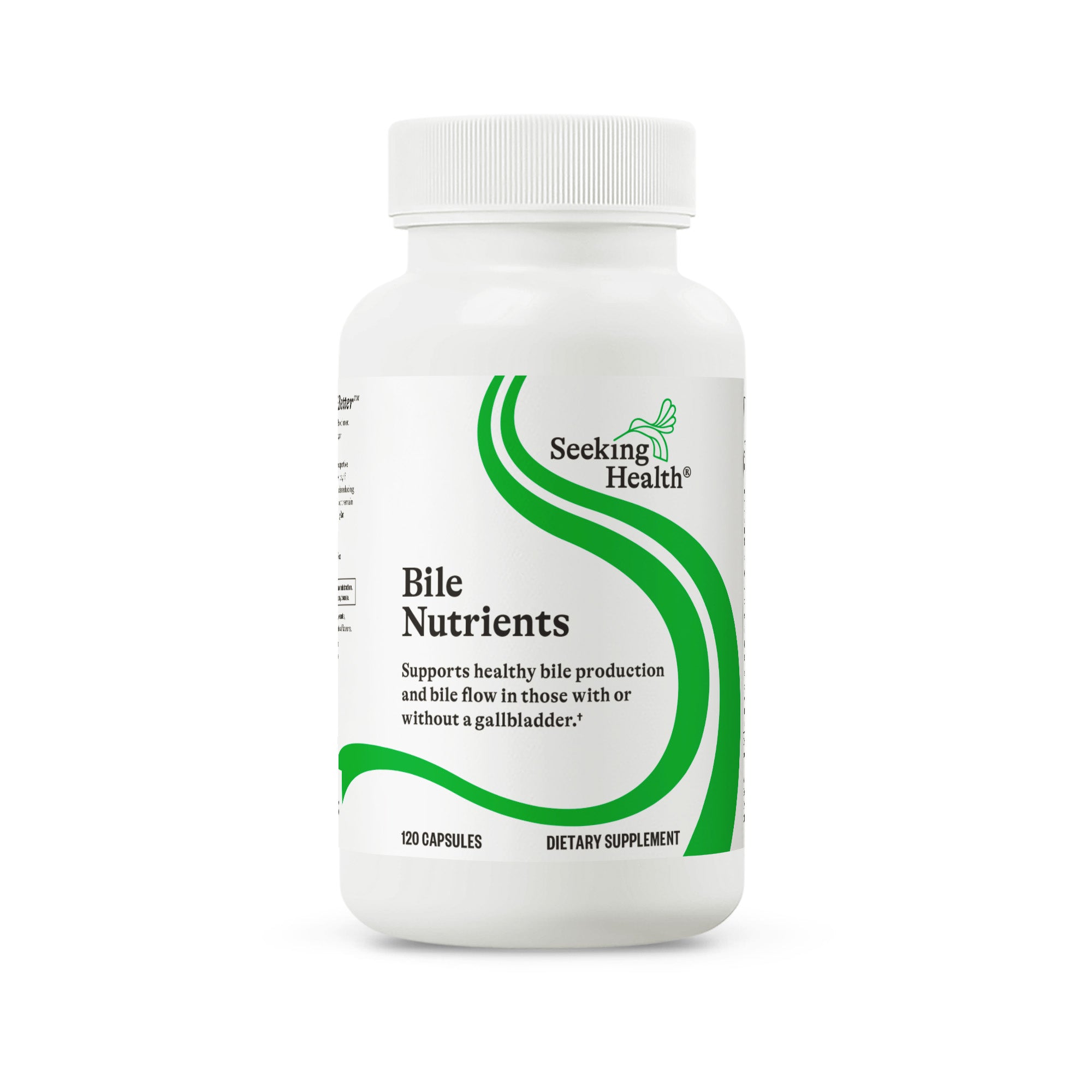
Bile Nutrients is a powerful herbal formula that supports your liver’s bile production. It also promotes healthy bile flow from your gallbladder into the small intestine. In those with their gallbladder removed, it supports bile flow from your liver into the bile duct. Healthy bile production supports the healthy absorption and utilization of vitamins A and D to support your immune system.†

Stress Nutrients is a vegan-friendly adrenal support supplement. Nutrients, plant extracts, and herbs synergistically support adrenal health and a normal stress response.†

Glutathione Plus is an easy-to-swallow, small capsule that has no taste or smell. It supports healthy immune system function, detoxification, healthy aging, and physical activity. It also comes as a great tasting lozenge, too!†
The Bottom Line

A weak immune system isn’t something you just have to live with. By questioning “why is my immune system so weak,” and understanding the causes—like stress, poor sleep, unhealthy habits, nutrient deficiencies, and age—you can start making changes that support your body’s natural defenses. Eat well, sleep enough, manage stress, and take care of your body. Your immune system will thank you!†
References:
- https://pubmed.ncbi.nlm.nih.gov/28900385/
- https://pubmed.ncbi.nlm.nih.gov/39518533/
- https://pubmed.ncbi.nlm.nih.gov/21912392/
- https://pubmed.ncbi.nlm.nih.gov/34795404/
- https://pubmed.ncbi.nlm.nih.gov/25451611/
- https://pubmed.ncbi.nlm.nih.gov/22071480/
- https://pubmed.ncbi.nlm.nih.gov/8857822/
- https://pubmed.ncbi.nlm.nih.gov/34299105/
- https://pubmed.ncbi.nlm.nih.gov/36986276/
- https://pubmed.ncbi.nlm.nih.gov/37954702/
- https://pubmed.ncbi.nlm.nih.gov/8680053/
- https://pubmed.ncbi.nlm.nih.gov/39845953/
- https://pubmed.ncbi.nlm.nih.gov/38988667/
- https://pubmed.ncbi.nlm.nih.gov/32887268/
- https://pubmed.ncbi.nlm.nih.gov/9701160/
- https://pubmed.ncbi.nlm.nih.gov/30200565/
- https://pubmed.ncbi.nlm.nih.gov/29099763/
- https://pubmed.ncbi.nlm.nih.gov/20233723/
- https://pubmed.ncbi.nlm.nih.gov/39539878/
- https://pubmed.ncbi.nlm.nih.gov/30200430/
†These statements have not been evaluated by the Food and Drug Administration (FDA). This product is not intended to diagnose, treat, cure, or prevent any disease.