







TL;DR Mast Cell Activation Syndrome (MCAS) and histamine intolerance can cause a wide range of frustrating symptoms—from skin issues and digestive problems to brain fog and feelings of unease. While MCAS happens when mast cells become too reactive, histamine intolerance is more about your body struggling to break down histamine, especially from food. Both conditions share overlapping triggers like stress, certain foods, and hormonal shifts, but they’re not the same. Managing them often means avoiding triggers, supporting gut health, and sometimes using supplements. Understanding the difference is key to getting the right support and feeling more in control of your health.†
What Is Mast Cell Activation Syndrome (MCAS)?
Mast Cell Activation Syndrome, or MCAS, is a condition where the body’s mast cells—special cells that help protect us from germs and infections—get too sensitive and release lots of chemicals called mediators.
This overactivity can cause symptoms in various parts of the body, including your skin, digestive system, and even your mood.
MCAS is not the same as an allergy, although it can look similar.
It happens because mast cells become too reactive, often due to genetic reasons or other health conditions. This means MCAS can cause a wide range of symptoms, and it’s important to know what to look for.
Understanding Histamine Intolerance
Histamine intolerance is different from MCAS, but it can cause similar symptoms.
Histamine is a chemical that your body makes naturally, and it’s also found in certain foods.
Usually, your body breaks down histamine using enzymes like diamine oxidase (DAO). But if your body can’t break down histamine fast enough, you might develop histamine intolerance.(1,2)
This condition is sometimes called “enteral histaminosis” or “dietary histamine sensitivity.” It happens when your body can’t handle the amount of histamine it gets from food or makes on its own.
Like MCAS, histamine intolerance can affect many systems, but it’s primarily known for causing digestive problems.(1,2)
Common Symptoms of MCAS
MCAS symptoms can be tricky because they affect so many parts of the body.

Here are some of the most common symptoms you may experience if you have MCAS:(3,4)
- Skin: Hives, flushing, itching, and redness.
- Digestive Health: Nausea, diarrhea, vomiting, abdominal pain, and reflux.
- Respiratory Health: Shortness of breath, wheezing, and more severe respiratory symptoms.
- Heart and Blood Pressure: Palpitations (heart racing), changes in blood pressure, and even fainting.
- Brain and Mood: Headaches, brain fog, unease, low mood, and trouble concentrating.
- Other Symptoms: Joint discomfort, muscle pain, fatigue, and even heat intolerance (feeling extra sensitive to hot temperatures).
- Reproductive Health: Some people with MCAS report issues like miscarriage or heavy periods, likely due to inflammation and mast cell activity affecting the reproductive system.(4)
MCAS can also cause inflammation throughout the body, which can make symptoms worse and affect overall health.(3,4)
Symptoms of Histamine Intolerance

Histamine intolerance can make you feel sick after eating certain foods.
The symptoms are similar to MCAS, but often focus more on the gut and nervous system:(1,2)
- Digestive Health: Bloating, diarrhea, constipation, abdominal pain, and nausea.
- Nervous System: Dizziness, headaches, and feeling “out of it.”
- Heart and Circulation: Palpitations and changes in blood pressure.
- Skin: Itching, rashes, and flushing.
- Other Symptoms: Trouble sleeping, inexplicable angst, and sometimes even trouble breathing.
Most people with histamine intolerance have several symptoms at once, and these can change from day to day.(1,2)
Common Triggers for MCAS and Histamine Intolerance
Both MCAS and histamine intolerance can be triggered by many things, including:
- Foods: Foods high in histamine (like aged cheeses, fermented foods, and certain fish), as well as foods that trigger mast cells (like gluten for some people).(2)
- Environmental Factors: Stress, infections, hot or cold temperatures, and strong smells.
- Hormones: Changes in estrogen levels can make symptoms worse for some people, especially women.(4)
- Other Triggers: Exercise, alcohol, and certain medications.
For MCAS, triggers can be very individual, and even small things like heat or emotional stress can set off your symptoms.(2,4) For histamine intolerance, the main trigger is usually food, but stress and infections can also play a role.(1,2)
Diagnosis and Testing for MCAS and Histamine Intolerance

Diagnosing MCAS and histamine intolerance can be tricky because symptoms overlap with many other conditions.
For MCAS:
- Blood Tests: Healthcare practitioners often check for a chemical called tryptase in the blood, especially right after symptoms start. Tryptase levels that are higher than normal can suggest MCAS, but not everyone with MCAS has high tryptase.(2,5)
- Response to Treatment: If symptoms get better with medications that block mast cell chemicals (like antihistamines), this can also help with diagnosis.(2,5)
- Ruling Out Other Conditions: Your healthcare practitioner needs to make sure other causes, like allergies or infections, aren’t causing your symptoms.(2,5)
For Histamine Intolerance:
- Diet Diary: Keeping track of what you eat and your symptoms can help identify triggers.(1,2)
- Blood Tests: Some healthcare practitioners check DAO enzyme levels, but this isn’t always reliable.
- Elimination Diet: Avoiding high-histamine foods and seeing if symptoms improve is the most common way to diagnose histamine intolerance.(1,2)
Effective Management Strategies for MCAS

Managing MCAS is all about supporting your health and reducing symptoms.
Here are some tips that can help:(2,4,5)
- Medications: Antihistamines, mast cell stabilizers, and other medicines can help control symptoms.
- Avoid Triggers: Try to stay away from things that make your symptoms worse, like certain foods, stress, or extreme temperatures.
- Support Mental Health: Agitation and low mood are common with MCAS, so talking to a counselor or therapist can help.
- Monitor Symptoms: Keeping a symptom diary can help you and your healthcare practitioner figure out what’s causing your symptoms.
- Stay Cool: If you have heat intolerance, try to stay in cool environments and wear light clothing.
- Support Digestive Health: Eating a balanced diet and avoiding foods that trigger your symptoms can help with nausea, diarrhea, and other digestive issues.(2,5)
Dietary Considerations for Histamine Intolerance

If you have histamine intolerance, what you eat makes a big difference. Here are some tips for managing your diet:(1,2)
- Avoid High-Histamine Foods: Stay away from aged cheeses, fermented foods, processed meats, shellfish, and certain fish. Also, avoid foods that release histamine in your body, like citrus fruits, tomatoes, and strawberries.(4)
- Eat Fresh Foods: Fresh meat and fish are usually better than leftovers or processed versions.
- Try Low-Histamine Vegetables: Most fresh vegetables are safe, but avoid those that trigger symptoms for you.
-
Low-Histamine Vegetables:
- Asparagus
- Beets
- Broccoli
- Brussels sprouts
- Cabbage (all kinds)
- Carrots
- Cauliflower
- Celery
- Cucumber
- Corn (if tolerated)
- Garlic (cooked)
- Green beans
- Kale
- Lettuce (all kinds)
- Onions
- Peppers (sweet, not hot)
- Zucchini
- Fennel
- Parsnips
- Watercress
- Bok choy
- Collard greens
- Leeks
- Green peas (if tolerated)
- Artichokes
- Daikon radishes
- Bean sprouts
- Consider DAO Supplements: Some people find that taking DAO enzyme supplements before meals helps reduce symptoms.(2)†
- Avoid Alcohol and Certain Beverages: Wine, beer, and some teas can be high in histamine or trigger symptoms.(2)
Difference Between MCAS and Histamine Intolerance
| Feature | MCAS | Histamine Intolerance |
|---|---|---|
| Cause | Overreactive mast cells | Inability to break down histamine |
| Main Symptoms | Multisystem (skin, gut, heart, brain) | Mostly gut, brain, skin, and heart |
| Key Triggers | Stress, foods, hormones, and environment | High-histamine foods, stress, and illness |
| Testing | Tryptase, response to meds, and rule out | Diet diary, elimination diet, and DAO |
| Managing | Meds, avoid triggers, and support health | Low-histamine diet and DAO supplements† |
Seeking Health’s Histamine Intolerance Support Supplements
Support your health naturally with Seeking Health’s trusted line of histamine intolerance support supplements. Thoughtfully crafted for you and your family, these formulas are expertly designed by Dr. Ben Lynch to promote balanced histamine levels and help you feel your best, day in and day out. With a focus on quality, effectiveness, and affordability, you can count on these supplements to be a smart part of your wellness routine.†

Our Histamine Bundle is a great place to start! It’s a smart, all-in-one approach to supporting healthy histamine responses. This carefully curated set includes foundational supplements designed to promote enzyme function, gut health, and immune balance. Backed by science and made with quality ingredients, it’s an easy and effective way to give your body the support it needs—all in one convenient bundle.†
What's Included:
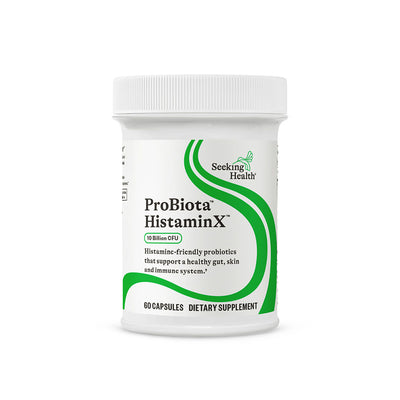
ProBiota HistaminX, HistaminX, DAO Enzyme, Histamine Nutrients, and a FREE copy of Dirty Genes: The Histamine Workbook
Together, these gluten-free supplements work to support:†
- Microbiome balance and a healthy gut response to ingested histamine.
- A healthy seasonal histamine response outdoors and indoors.
- Healthy histamine levels in the small intestines, colon, uterus, bladder, prostate, and breast milk.
- Healthy lungs, nose, and airway.
- A healthy immune system and skin.
The Bottom Line

If you’re dealing with symptoms that don’t seem to add up—like gut issues, skin flare-ups, brain fog, or fatigue—MCAS or histamine intolerance could be the missing link. While they’re different conditions, they share many symptoms and triggers, which can make them tricky to tell apart.
The good news?
With the right knowledge, you can take meaningful steps to manage both. From simple diet changes to targeted supplements and medications, health is possible. The key is tuning into your body, avoiding your personal triggers, and working with a healthcare provider who understands these complex conditions.†
References:
- https://pmc.ncbi.nlm.nih.gov/articles/PMC7463562/
- https://pmc.ncbi.nlm.nih.gov/articles/PMC8469513/
- https://pmc.ncbi.nlm.nih.gov/articles/PMC11212760/
- https://pmc.ncbi.nlm.nih.gov/articles/PMC10672129/
- https://pmc.ncbi.nlm.nih.gov/articles/PMC7731385
†These statements have not been evaluated by the Food and Drug Administration (FDA). This product is not intended to diagnose, treat, cure, or prevent any disease.